
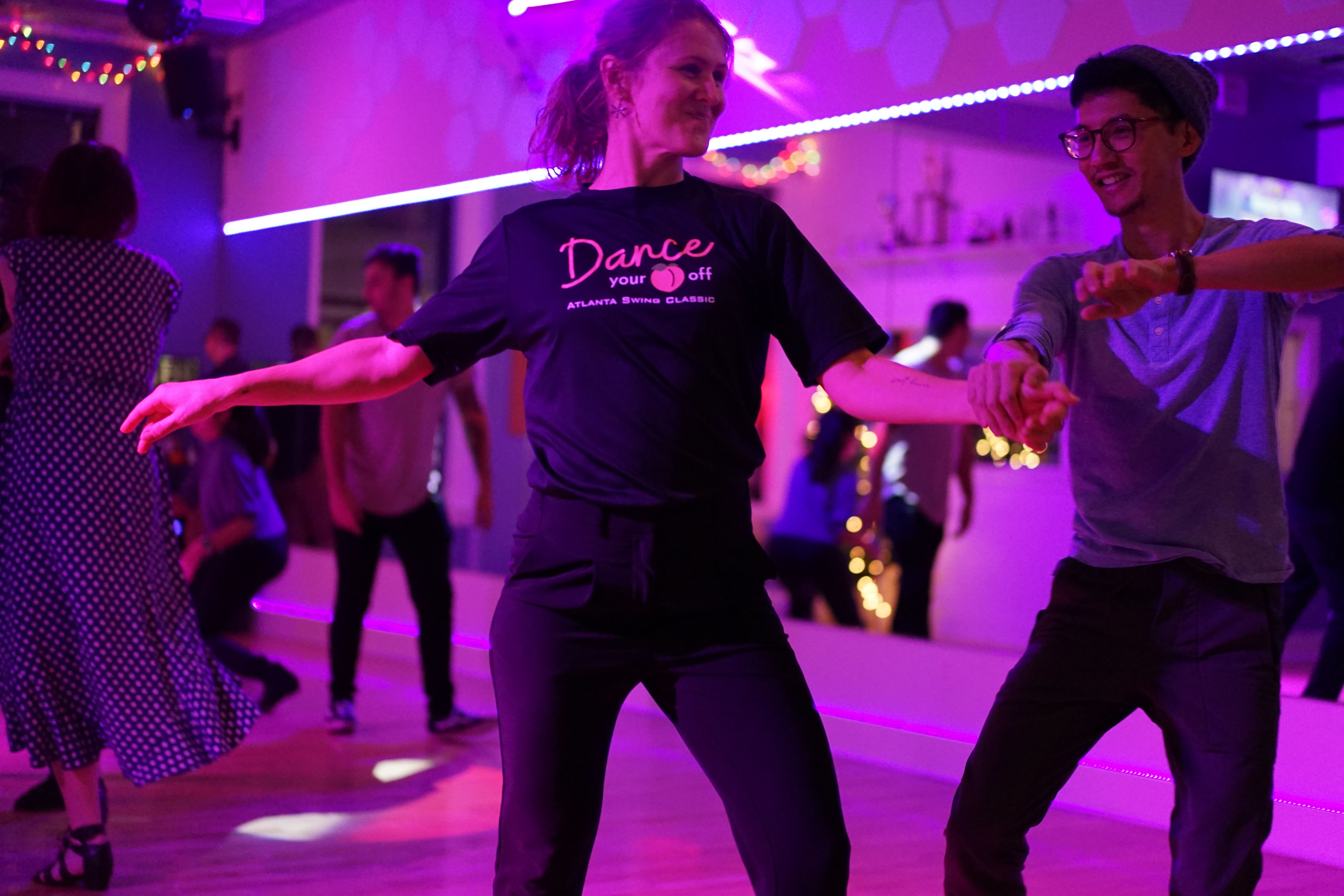
1. Cardio Disguised as Art
If you hate running on a treadmill, staring blankly at a wall for 45 minutes, you are not alone. Traditional cardio can feel like a chore. Ballroom dancing, particularly Rhythm and Latin styles (like Salsa, Swing, and Cha-Cha), is High-Intensity Interval Training (HIIT) disguised as art.
A fast-paced Jive or Quickstep routine requires explosive power, rapid directional changes, and sustained cardiovascular endurance. You are burning anywhere from 300 to 500 calories an hour without ever counting reps.
2. Core Strength and Posture
You cannot dance correctly with poor posture. Holding a ballroom frame (the structural connection between you and your partner) requires immense engagement of your latissimus dorsi, rhomboids, and entire abdominal wall. Over time, students notice their shoulders naturally drop back and their spine elongates, combatting the dreaded "tech neck" caused by sitting at a desk all day.
The Mental Health Bonus
Dance actively rewires your brain. Having to remember choreography, match the rhythm of the music, and physically react to your partner produces powerful neuroplasticity. Studies have shown dance is one of the single most effective activities for preventing cognitive decline.
3. The Accountability Mechanism
With a standard gym membership, it is remarkably easy to hit "snooze" and skip leg day. But when you are enrolled in a Group Class or have a scheduled Private Lesson with an instructor who is actively waiting for you, your accountability skyrockets.


