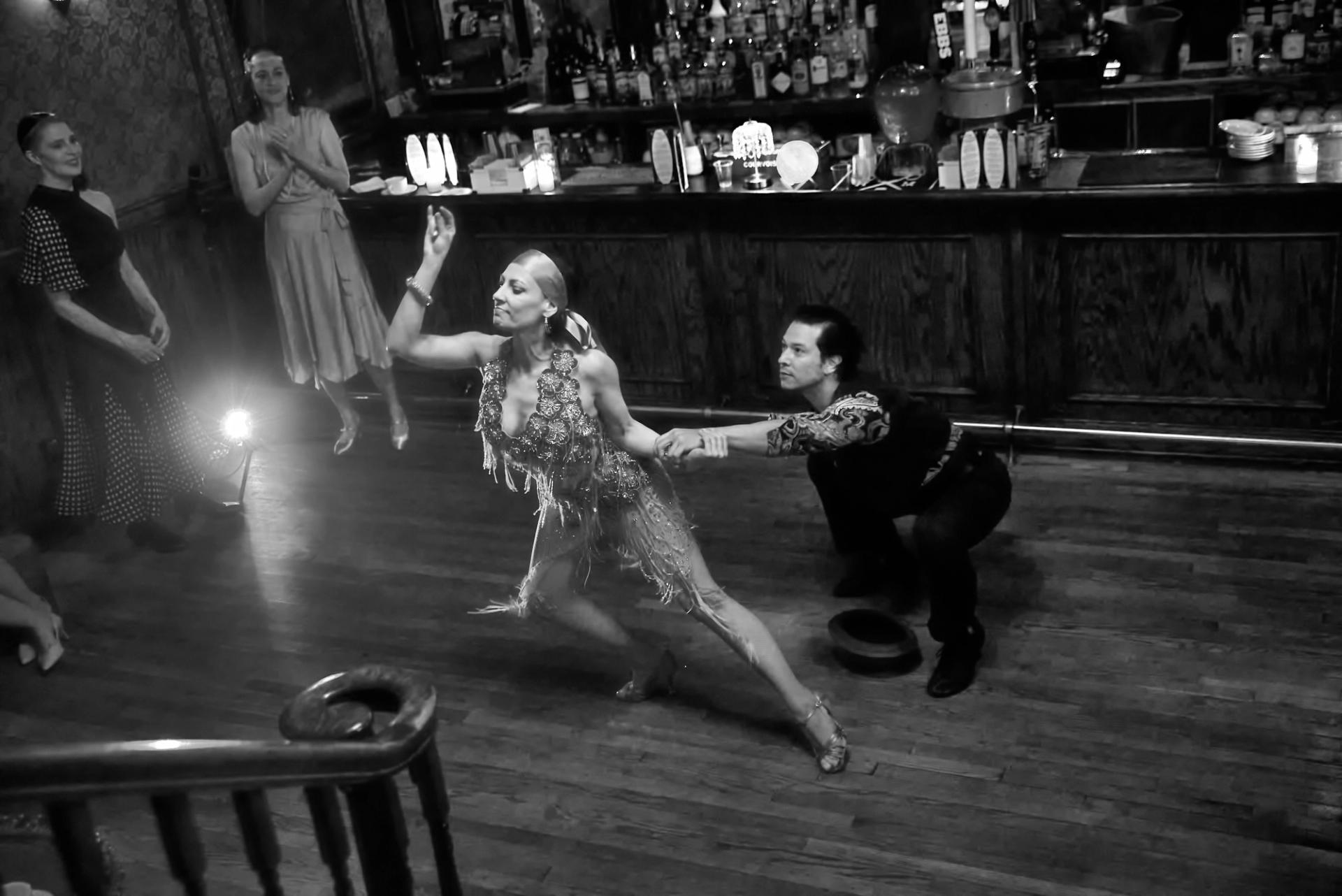
Salsa is a vibrant and energetic Latin dance style that is popular worldwide. Its origins are a melting pot of influences, primarily rooted in the Caribbean, particularly in Cuba and Puerto Rico. Salsa evolved from earlier dance forms such as Son, Cha-cha-cha, Mambo, and other Afro-Cuban folkloric dances, integrating elements from each. It became widely known and further developed in the 1970s in New York City, where a large Hispanic community added to its evolution, creating a unique blend of Latin rhythms with American jazz.
Description and Style:
- Movement: Salsa is known for its lively, energetic, and sensual movements. The basic step is a simple forward-and-back or side-to-side pattern, but it can be embellished with a variety of turns, spins, and stylized footwork.
- Posture and Connection: Partners typically dance in a close embrace or a more open position, depending on the style. The lead-and-follow dynamic is crucial, with clear communication through hand holds and body movement.
- Styles: There are several styles of Salsa, including Cuban ("Casino"), LA Style (On1), New York Style (On2), Colombian style (salsa Caleña), and Rueda Style, which is done as a group of couple moving together in a wheel formation. Each has its own distinct characteristics, such as the timing of the steps, the style of turns, and the attitude or flavor.
Fun Aspects
- Social Interaction: Salsa is inherently a social dance, often danced at clubs, parties, and social gatherings. It's an excellent way to meet new people and engage in a shared activity.
- Energetic and Uplifting: The music and movements of Salsa are very uplifting, making it a fun and enjoyable dance for both participants and spectators.
- Health Benefits: Salsa dancing is a great form of exercise, offering both cardiovascular and muscular conditioning, along with improved coordination.
Music
- Salsa music is characterized by its vibrant, rhythmic sound, often featuring instruments like the conga, bongo, timbale, trumpet, trombone, and piano. It typically has a 4/4 time signature with a syncopated rhythm. One signature rhythm that is very closely tied to salsa is the clave, which features 5 hits spread unevenly over 4 beats, with 3 beats more heavily one one side and two on the other.
- The music is a mix of various Caribbean and Latin American musical influences, including Son, Mambo, and Afro-Cuban jazz.
Venues
- Salsa Clubs and Bars: Many cities around the world have dedicated Salsa clubs where people gather to dance socially.
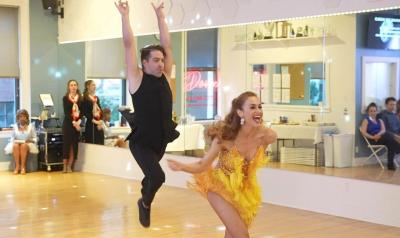
- Dance Studios and Schools: Salsa classes are popular in dance studios and schools, catering to a range of skill levels from beginner to advanced.
- Festivals and Street Parties: Salsa is often featured at Latin American cultural festivals and street parties.
- Social Events and Weddings: In communities where Salsa is popular, it's common to see it danced at social events and weddings.
Salsa is not just a dance but also a cultural expression, reflecting the vibrant and diverse communities from which it originates. Its popularity across the globe is a testament to its infectious rhythm, joyous spirit, and the sense of community it fosters among its practitioners.